Knee Surgery Rehabilitation for a Successful Recovery
Knee surgery can be a turning point for many people dealing with pain, injury, or mobility issues. Whether you have undergone an ACL reconstruction, meniscectomy, or a total or partial knee replacement, the road to full recovery depends heavily on effective rehabilitation. This article explains why rehabilitation after knee surgery is essential, outlines the typical phases and goals of rehab, and offers practical examples of exercises and timelines to help you regain strength and function safely.
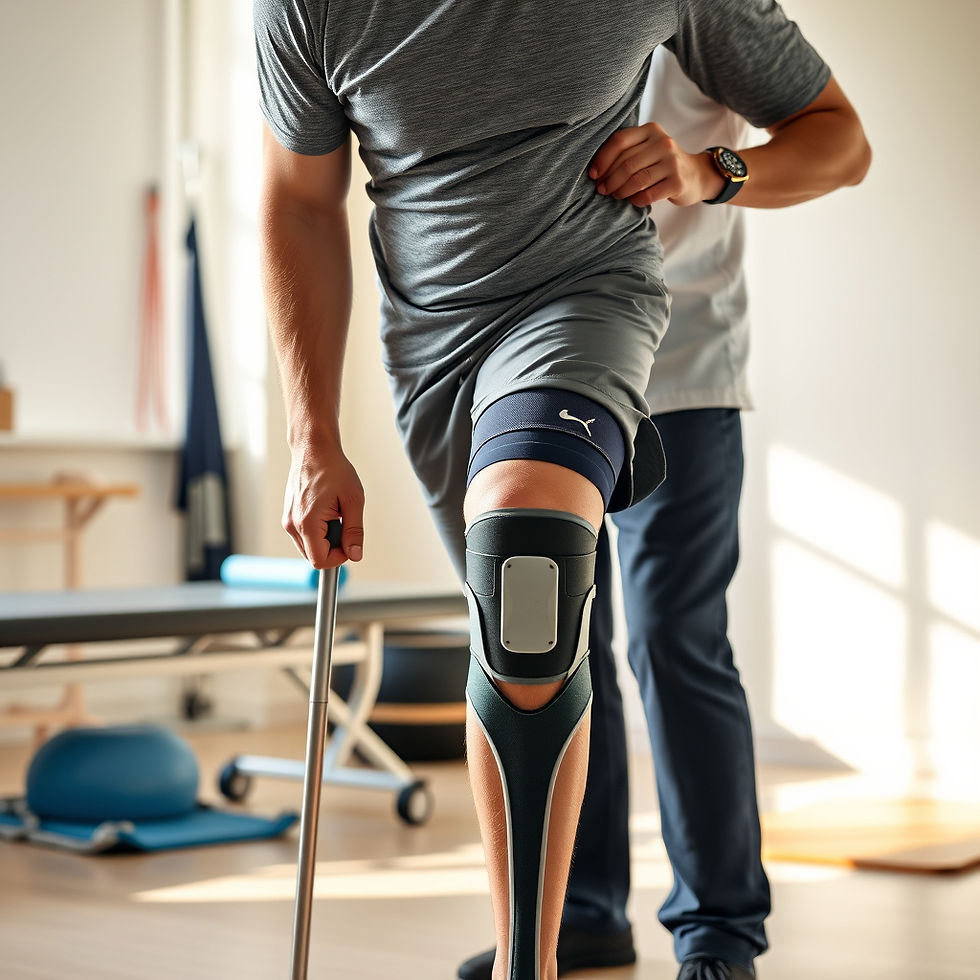
Common Types of Knee Surgeries
Understanding the type of surgery you had helps clarify what to expect during rehabilitation. Here are some of the most common knee surgeries:
ACL Reconstruction
The anterior cruciate ligament (ACL) is crucial for knee stability. ACL reconstruction replaces the torn ligament with a graft, often from your own hamstring or patellar tendon.
Meniscectomy
This surgery removes part or all of a damaged meniscus, the cartilage that cushions your knee. It is often done arthroscopically and aims to relieve pain and improve knee function.
Total or Partial Knee Replacement
In total knee replacement, the damaged surfaces of the knee joint are replaced with artificial components. Partial replacement targets only the affected compartment of the knee, preserving healthy tissue.
Each surgery has unique recovery needs, but all require structured rehabilitation to restore movement, strength, and function.
Why Postoperative Rehabilitation Is Essential
Rehabilitation after knee surgery is not optional. It plays a critical role in:
Reducing pain and swelling
Restoring range of motion
Rebuilding muscle strength
Improving balance and coordination
Helping you return to daily activities and sports
Research shows that patients who follow a guided rehab program recover faster and have better long-term outcomes. Rehab also helps prevent complications such as stiffness, weakness, and re-injury.
Typical Rehabilitation Phases and Goals
Rehabilitation usually progresses through several phases, each with specific goals and exercises. Your physical therapist will tailor the program based on your surgery type, age, and overall health.
Phase 1: Pain Control and Early Movement (Weeks 1–2)
Goals:
Manage pain and swelling.
Protect the surgical site.
Begin gentle knee movement.
Typical activities:
Ice application and elevation
Use of crutches or braces as advised
Gentle range of motion exercises like heel slides and ankle pumps
Phase 2: Restoring Range of Motion (Weeks 2–6)
Goals:
Increase knee flexion and extension.
Reduce stiffness.
Maintain cardiovascular fitness
Typical activities:
Assisted knee bends and straightening
Stationary cycling with low resistance
Gentle stretching exercises
Phase 3: Strength Building (Weeks 6–12)
Goals:
Strengthen quadriceps, hamstrings, and calf muscles.
Improve knee stability.
Begin weight-bearing exercises.
Typical activities:
Straight leg raises
Mini squats and step-ups
Resistance band exercises
Phase 4: Balance and Functional Training (Weeks 12–16)
Goals:
Enhance balance and coordination.
Prepare for return to daily activities or sports.
Improve endurance
Typical activities:
Single-leg stands
Balance board exercises
Walking on uneven surfaces
Phase 5: Return to Activity (After 16 Weeks)
Goals:
Regain full function.
Return to work, sports, or hobbies safely.
Prevent future injuries.
Typical activities:
Sport-specific drills
Plyometric exercises
Gradual increase in activity intensity
When to Seek Medical Advice
While rehabilitation is designed to be safe, certain signs require prompt medical attention:
Severe or increasing pain
Sudden swelling or redness around the knee
Fever or signs of infection
Difficulty moving the knee despite rehab
Numbness or tingling in the leg or foot
If you experience any of these symptoms, contact your healthcare provider immediately.
Take Charge of Your Recovery
Knee surgery rehabilitation is a journey that demands patience, effort, and expert guidance. Following a structured rehab plan helps you regain strength, mobility, and confidence in your knee. If you want a personalized rehabilitation program tailored to your surgery and lifestyle, contact our clinic today. Our experienced team will support you every step of the way toward a successful recovery.



Comments